Over 1,500 lives lost and thousands changed forever, the Titanic was not just an award-winning movie, it was a real ship that now rests at the bottom of the North Atlantic Ocean. This was an unimaginable tragedy that not only shocked the world, but also placed Halifax at the centre of the aftermath. As the 114th anniversary approaches, it’s important to reflect on the significant role the city played in the disaster.
During the early 1900s, Halifax served as a popular port for immigration due to its proximity to Europe and a key base for cable ships responsible for maintaining the underwater telegraph cables connecting North America and Europe.
On April 14th, 1912, the Titanic, a luxury cruise liner know as the largest ship in the world at the time, collided with a massive iceberg causing the ship to sink. The ship was carrying over 2,200 passengers from Southampton to New York City when it struck the iceberg.
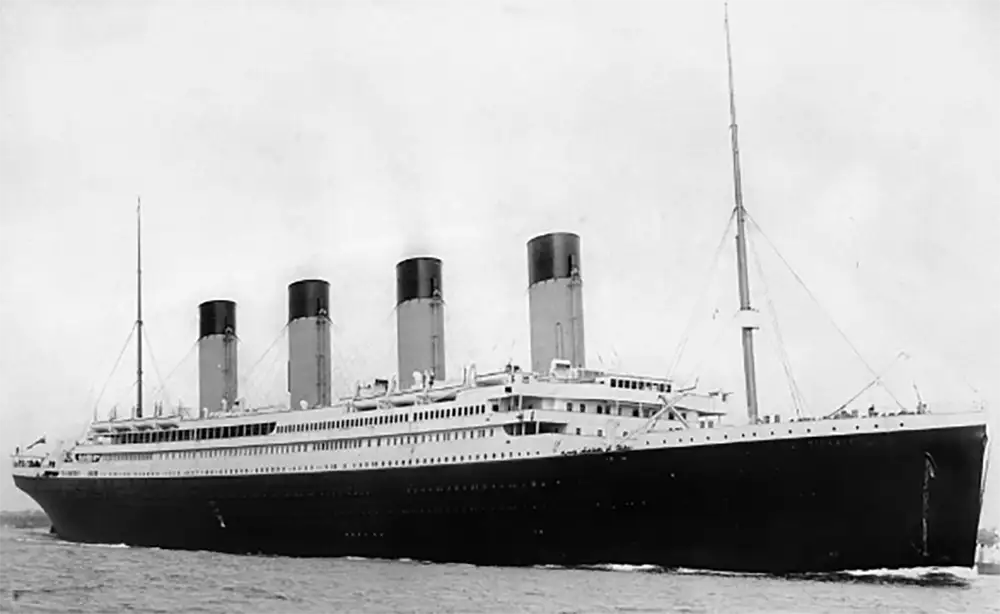
The Titanic sank roughly 700 nautical miles east of Halifax, making the city the closest major port to the disaster. With their familiarity of the waters and conditions, Halifax cable ship crews were called upon to carry out the challenging task of recovering bodies from the site.
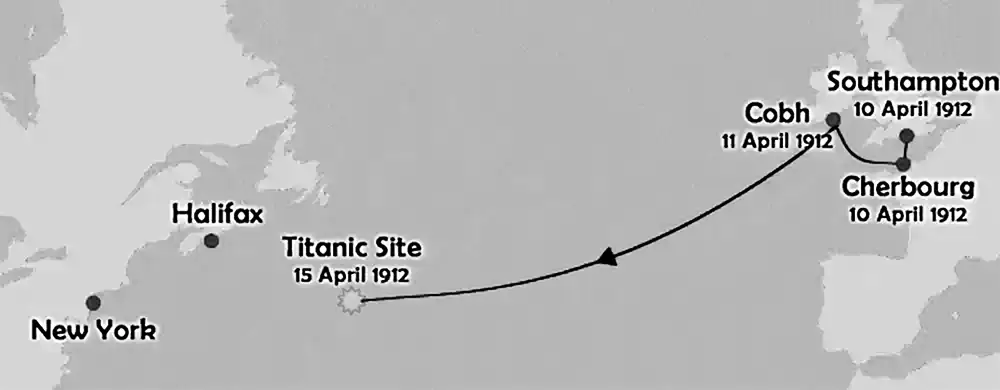
On April 17th, the first cable ship arrived to the sinking site. Over the following month, 209 victims of the tragedy were brought to Halifax. Out of the 209 victims, 59 were sent home to their relatives, while the remaining 150 were laid to rest across three cemeteries in Halifax: Fairview Lawn, Mount Olivet, and Baron de Hirsch.
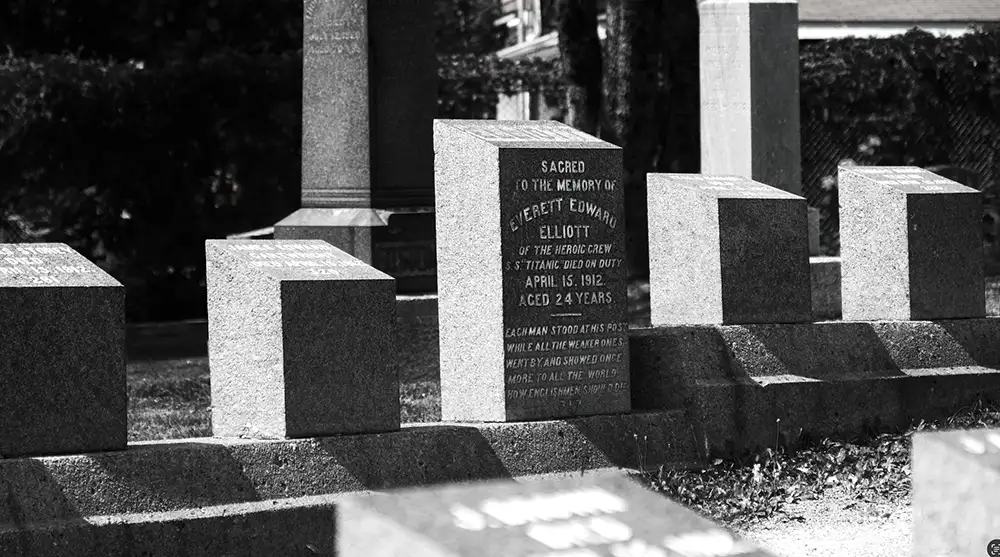
Throughout Halifax there are several sites where you can visit historical locations associated to the sinking of the Titanic and learn more about the cities connection to the tragedy. Here is a list of some of those locations:
Maritime Museum of the Atlantic: Through a collection of artifacts, you can explore the creation of this remarkable luxury ship, gain insight into the personal experiences of those on board, and learn about Halifax’s critical role in the aftermath of its sinking.
Fairview Lawn Cemetery: With 121 Titanic victims laid to rest here, this cemetery has a section devoted to the final resting place for the majority of the victims brought to Halifax known as the Titanic Grave Site. It is also home to the popular J. Dawson gravestone, often mistaken for the fictional Jack Dawson, but in reality belonging to crew member Joseph Dawson. You can visit the cemetery by car or on a Hop On Hop Off Tour, which includes a stop at Fairview Lawn Cemetery with commentary on route.
Nova Scotia Archives: The Nova Scotia Archives provide a glimpse into life in Halifax during the recovery process through historical newspapers, photographs, documents, letters, and more.
Five Fishermen Restaurant: During 1912, the Five Fishermen Restaurant was the John Snow & Co. Funeral Home. This is where many of the victims were brought to prior to their burial.
The George Wright Home: This was the home of George Wright, a millionaire who was aboard the Titanic and lost his life in the sinking. Prior to boarding the ship, Wright met with his lawyer leaving the house in Halifax to the Local Council of Women. Today, the house stands as a reminder of George Wrights legacy and the Titanic tragedy.
Titanic Belfast: This museum is located where the Titanic was designed, built, and launched in Belfast, Ireland. Although this is not in Halifax, this is generally considered the primary museum for the Titanic. At this museum you are fully immersed into the story of the Titanic from start to finish.
The story of the Titanic is one that continues to captivate people around the world, but in Halifax, it is more than just a story, it is a deeply rooted part of the city’s history. Whether you’re visiting a museum, walking through historic cemeteries, or visiting associated locations, each site offers a chance to reflect, remember, and better understand this moment in history. From the recovery efforts in the North Atlantic sea to the final resting places and preserved artifacts, Halifax continues to commemorate this tragedy and remember those who were lost more than a century later.